Resources & Archives

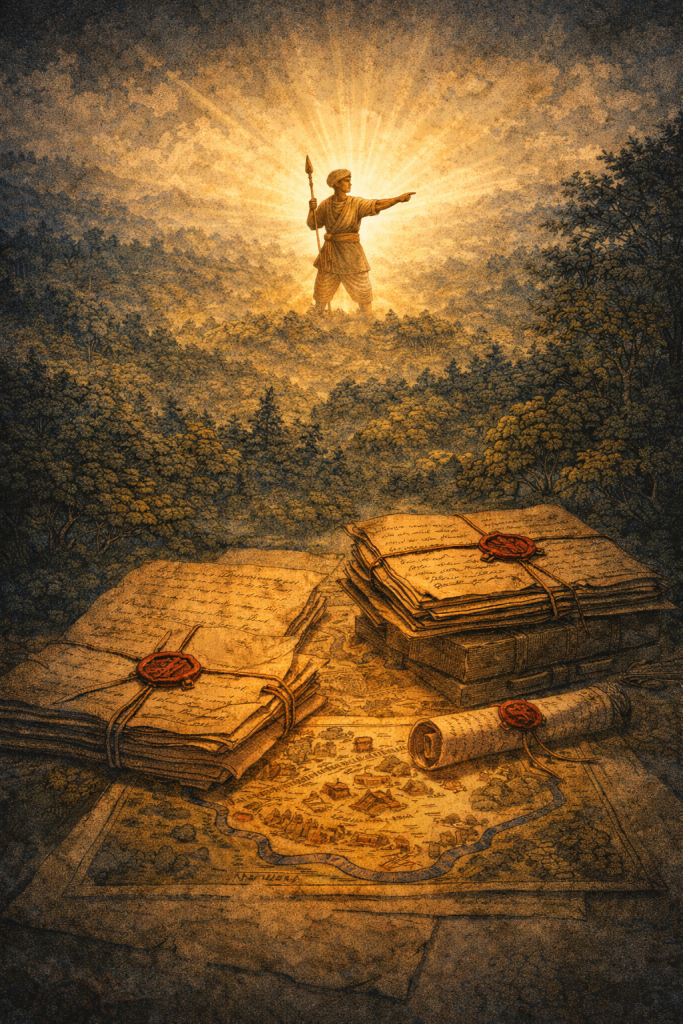
Historical documents

Records

1878

Tribal Land Assessment Report

Singhbhum Region

British Revenue Officer 

1885

Village Council Proceedings

Tribal Settlements

Local Tribal Elders

1892

District Administrative

Eastern Tribal

District Magistrate

1898

Tribal Resistance

Central Tribal

Missionary Chronicler

1900

Folk Ballads

Regional Villages

Community Storytellers

Research Articles

Articles

Khajya Naik and Tribal Resistance

An overview of Khajya Naik’s leadership and his role in shaping organized tribal resistance against colonial rule.

Land, Identity, and Revolt

Explores how land rights and cultural identity became central to resistance movements led by Khajya Naik.

Community Leadership

Examines Khajya Naik’s community-based leadership model and its impact on regional resistance movements.

Legacy Beyond History

Discusses Khajya Naik’s remembrance through folklore, oral traditions, and lasting influence on future generations.

Famous Write

Books

Voice of Tribal Resistance

Land, Forest, and Freedom

Tribal Leadership

Oral Histories

Research Material

Living Sources

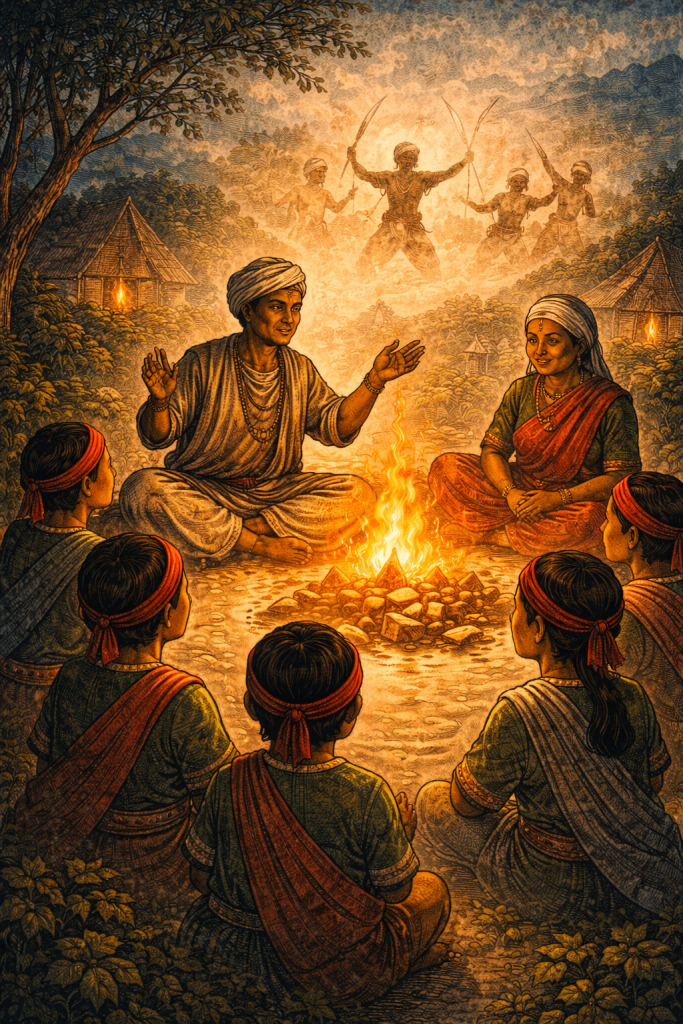
Oral histories and research materials play a vital role in understanding the life, struggle, and legacy of Khajya Naik. Much of his story has been preserved through spoken narratives passed down across generations within tribal communities. These oral accounts capture emotions, values, and lived experiences that formal records often overlook, offering deeper insight into community memory and identity.

Alongside oral traditions, modern research materials—such as academic studies, regional histories, fieldwork notes, and cultural documentation—help contextualize these narratives within broader historical frameworks. Researchers have drawn upon folklore, songs, interviews, and archival references to reconstruct events and interpret their significance.


Together, oral histories and research materials form complementary sources of knowledge. While oral traditions keep memory alive at the grassroots level, research provides structure, analysis, and wider historical connections. This section brings both together to present a balanced, respectful, and enriched understanding of Khajya Naik’s enduring influence and the community that remembers him.

Scroll to Top